
Top 10 Best Fashion Universities in the UK 2026
Quick Answer
The UK’s strongest fashion degrees are portfolio-led — the leading schools combine studio teaching with direct industry links, and London institutions dominate the top of the table. Our ranked top 10 below compares them.
- Portfolio: usually counts as much as grades
- Common route: Art & Design Foundation Diploma
- Location: London dominates the top 10
- Apply: via UCAS or direct
Reviewed for 2026 entry by the Uni Direct admissions team
What do the Best UK Fashion Schools Offer?
Balanced Approach: Merges conceptual creativity with commercial practicality.
Skill Development: Uses rigorous critique to build strong conceptual frameworks and essential technical skills.
Industry Integration: The top universities maintain strong connections with the fashion industry.
Career Readiness: Equips graduates with expertise for roles across design, retail, technology, and branding.
Studying fashion covers a variety of clothing, footwear, accessories and more. The best fashion universities in UK will look at various aspects of fashion relating to the design, manufacturing and marketing of products across the world. Fashion degrees will help you think analytically about clothes and the history or clothing, assessing trends and gaining technical skills including fashion illustration, pattern cutting and forecasting trends within the industry.
UK fashion universities top 10
The top 10 fashion universities in the UK have some of the most stringent entrance requirements, requiring a strong portfolio of work, often an interview, and an outstanding UCAS application.
University
Ranking
- Central Saint Martins (University of the Arts London) 1
- London College of Fashion (University of the Arts London) 2
- Royal College of Art (RCA) 3
- University of Westminster 4
- Nottingham Trent University 5
- Kingston University 6
- University of the Arts London (UAL) – Camberwell College of Arts 7
- Bournemouth University 8
- Manchester Metropolitan University (MMU) 9
- Edinburgh College of Art (University of Edinburgh) 10
Fashion degrees will give you a range of transferable skills, such as experience of working in teams, communicating with a range of people, presentation skills when you present your work, responsibility and experience at meeting deadlines. Graduates with fashion degrees from best fashion universities in UK will enter a variety of professions, working as fashion designers, retail buyers, merchandisers, textile development roles, in public relations, bran development and in fashion journalism. Graduate schemes will advertise positions relating to fashion, recruiting proactive and capable students. Graduates may also enter a range of positions that don’t relate to fashion. The range of roles students can enter may be very appealing for students studying fashion.
Portfolio requirements for UK fashion degrees

To produce a winning portfolio for application to a UK fashion university, it’s imperative to understand the nuances that distinguish exceptional portfolios from merely average ones. The best fashion schools in the UK are not just seeking technical proficiency; they’re looking for students who demonstrate a unique creative vision and a deep understanding of the fashion industry.
This means going beyond simply showcasing garment construction skills. Your portfolio should tell a story – a visual narrative that reveals your inspirations, your design process, and your understanding of current trends. Consider incorporating mood boards, concept sketches, and experimental textile design samples to illustrate the development of your ideas.
Furthermore, pay close attention to the presentation of your portfolio. The best fashion schools in London and across the UK value attention to detail and professionalism. Ensure your work is presented in a clear, concise, and visually appealing manner. High-quality photography of your finished garments is essential, capturing the texture, drape, and overall aesthetic of your designs.
To make sure that your submission stands out from the rest when applying to the top fashion unis, take a look at our five top tips below.
How do I create a winning UK fashion portfolio?
Demonstrate intellectual curiosity by drawing inspiration from unexpected, non-fashion sources such as architecture, sociology, philosophy, or fine art. Your project must start with a rigorous concept, not just a garment idea.
Consider your "journey." Include your sketchbook pages, which should show iteration, mistakes, material sampling, and annotation. Provide context for every idea; show us how you developed from start to finish.
Show evidence of physical making. This includes toiles (muslins), draping on a stand, pattern cutting samples, and testing unconventional materials. This proves you can translate a 2D idea into a tactile, wearable form.
Curate 3 to 5 distinct projects that highlight a range of skills (e.g., tailoring, illustration, print design). Be decisive: include only your strongest work and the most insightful research pages. Quality over quantity is key.
Your written statement must convey your unique personality and passion. Articulate why you approach design the way you do and demonstrate awareness of current ethical, environmental, and cultural issues within the fashion industry.
Top Fashion Universities Guide
Central Saint Martins (UAL)
Globally renowned for its radical, innovative approach to fashion, textile design, and communication. CSM graduates frequently lead top international fashion houses. Located in London.
London College of Fashion (UAL)
Focuses on the full spectrum of the fashion industry, from design and technology to media, business, and marketing. A major hub for fashion entrepreneurship in the UK.
Kingston University
Highly regarded for its practical, industry-focused approach to fashion design, including menswear, womenswear, and specialized knitwear. Known for strong employability rates.
Royal College of Art
The world's only entirely postgraduate art and design university. Its Fashion MA program is elite, focusing on advanced conceptual and research-led practice.
University of Westminster
Known for its heritage in fashion education, particularly its pioneering BA Fashion Design course and strong links to London's Savile Row and luxury sector.
Nottingham Trent University (NTU)
A powerhouse outside London, recognized for its comprehensive textile design, fashion communication, and knitwear technology courses, supported by excellent facilities.
Manchester School of Art (MMU)
Located in the heart of the North's creative industry, MMU offers highly-rated courses in Fashion Art Direction and design, with a focus on contemporary industry needs.
Arts University Bournemouth
A highly focused specialist arts institution with strong programs in Costume Design for Performance and film, alongside traditional fashion design.
University for the Creative Arts (UCA)
Offers a wide range of fashion courses across its campuses (Epsom, Rochester), including specialist programs in Atelier Taught Fashion and design innovation.
Edinburgh College of Art (ECA)
The leading fashion school in Scotland, ECA is known for its high standard of art and design education within an ancient university setting, focusing on concept and craftsmanship.
Birmingham City University
Known for its broad portfolio including fashion branding, garment technology, and strong connections to the West Midlands' manufacturing and creative industries.
Ravensbourne University
Focuses on the intersection of design and technology, offering courses like Fashion Promotion and Digital Design, often using cutting-edge industry software and processes.
Northumbria University
Consistently ranked highly for fashion in the North East, with strong industry partnerships and a focus on responsible and sustainable design practice.
Heriot-Watt University (Scottish Borders)
Home to the School of Textiles and Design, specializing in technical textiles, fashion technology, and ethical sourcing, with deep roots in Scottish manufacturing.
De Montfort University (DMU)
Offers a wide array of fashion programs, including the renowned Footwear Design course, leveraging its Leicester location's history in hosiery and manufacturing.
Bath Spa University
Known for its focus on sustainable and ethical fashion, alongside strong textile design and fashion photography programs in a historically rich location.
Falmouth University
Located in Cornwall, Falmouth is highly respected for its creative community and high-quality Fashion Photography and design courses with a strong digital focus.
University of Leeds
Its School of Design is famous for Textile Science and technology, offering a highly academic approach to fashion materials and engineering, unique for a Russell Group university.
Fashion Universities in London
The strategic positioning of fashion schools and other top universities in London creates a world-leading body of skills and knowledge that significantly increases career prospects for fashion graduates.
This places students directly within a fashion ecosystem that encompasses prestigious luxury brands, innovative independent designers, major high street retailers, influential fashion media, trend forecasting agencies, and specialised fashion PR firms.
The concentration of fashion businesses creates a dense network of potential employers literally at students’ doorsteps, with many fashion companies prioritising recruitment from London fashion schools due to convenience and established relationships.
London’s biannual Fashion Week events provide extraordinary opportunities for students to volunteer, intern, or simply observe the industry in action, gaining insights into the commercial and creative mechanics of fashion presentations that students in other locations might only experience through digital media.
The city hosts countless fashion exhibitions, trade shows, sample sales, and industry events throughout the year, offering students continuous exposure to current market trends and networking opportunities outside formal education settings.
Many leading fashion photographers, stylists, and creative directors base their operations in London, creating opportunities for collaboration on portfolio shoots and creative projects that enhance students’ professional presentation. The concentration of fashion media in the capital, including publications like British Vogue, Dazed, and i-D, creates pathways into fashion journalism, styling, and editorial work that may be less accessible elsewhere.

Fashion at Kingston School of Art
Not only is Kingston university one of the best fashion universities in UK, the BA Fashion degree at Kingston University in London ranks in the top 25 fashion schools in the world and is one of the highest ranked courses in London. The focus of the degree programme is on design – specifically how design is influenced by social, cultural and historical factors. Students get to use state-of-the-art facilities integrating 2D and 3D design, printed textiles, knitting and sewing techniques. Kingston alumni work for a wide range of top fashion companies including Burberry, Calvin Klein, Paul Smith and Alexander McQueen.
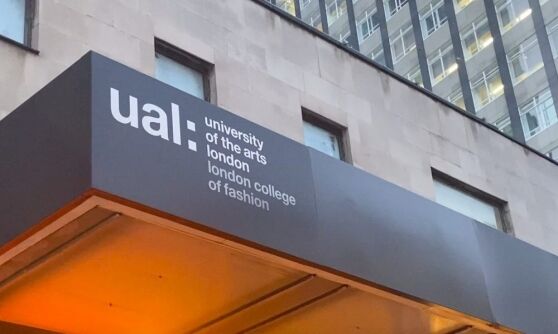
London College of Fashion
London College of Fashion is one of the leading centers for fashion education around the world. They pride themselves to constantly evolve the programme making it up to date and industry focused.
London College of Fashion (LCF) offers a very wide range of undergraduate degree options including; fashion design and development, fashion design technology, fashion contour, fashion marketing, fashion pattern cutting, fashion photography, fashion sportswear and lots more degree programmes. They also offer pre degree courses and integrated masters programmes. LCF has a fashion research center and has PhD students.
Fashion Universities outside London
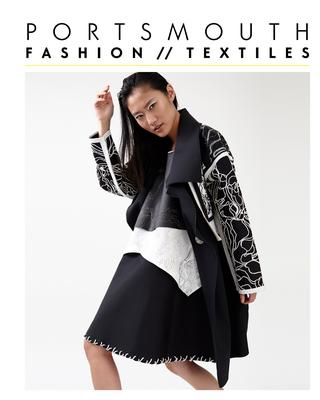
Portsmouth University
The University of Portsmouth ranks highly as one of the best fashion universities in UK, offering both a BA and MA programme in fashion and textile design. The degree programme will immerse students in the latest trends, techniques and technologies in the fashion and textile industry. Design methods are taught to help students learn techniques in pattern cutting, fashion illustration, silkscreen and digital printing, embroidery and constructed textiles. If the MA route appeals, our guide to masters degrees in the UK explains the types, entry requirements and funding.
Portsmouth also ranks gold in the Teaching Excellence Framework (TEF). Entrance requirements for the BA programme are tough and the selection process requires a portfolio integrating ten images of sketchbook work, five images of design ideas and development. Uni Direct’s specialist team can help you develop suitable pieces to include in your portfolio, either for Portsmouth of other universities.
What to consider when choosing a university for fashion in the UK
Selecting the ideal university for fashion in the UK requires careful consideration of multiple factors that will significantly impact your educational experience and career prospects.
First and foremost, accreditation and reputation within the fashion industry should be central to your decision-making process. The best fashion universities maintain strong relationships with professional bodies like the British Fashion Council and receive recognition in respected rankings.
Curriculum structure varies considerably across fashion schools – some emphasise conceptual design and artistic expression, while others focus more on commercial viability and technical execution. Evaluate whether the university’s fashion course aligns with your specific interests, whether they lie in womenswear, menswear, knitwear, textile design, fashion marketing, or fashion business.
Faculty expertise is another critical consideration; the best fashion and textile design programmes are taught by practitioners who maintain active careers in the industry alongside their teaching responsibilities, bringing current insights directly to students. The quality and accessibility of specialised facilities should feature prominently in your assessment – examine whether the university provides professional-standard equipment for pattern cutting, garment construction, textile printing, knitting machines, and digital design technologies.
Industry connections represent perhaps the most valuable asset a fashion university can offer; investigate the institution’s track record of securing internships, collaborative projects with fashion brands, and guest lectures from industry professionals. Graduate employment statistics provide concrete evidence of a programme’s effectiveness – research the career trajectories of alumni, noting which fashion houses, retailers, or studios regularly recruit from the university.
Location plays a significant role in fashion education; London-based institutions offer unparalleled exposure to the fashion industry, though universities in other UK cities may provide more affordable living costs while maintaining strong industry links. The fashion industry increasingly values interdisciplinary approaches, so consider whether the university facilitates collaboration between fashion students and those studying related disciplines like photography, fine art, or marketing.
Finally, examine the university’s support for graduate showcases and final collections, as these presentations often serve as launching platforms for promising design careers.
Take a look an interview we conducted with Lucy Fine, Senior Lecturer on the Fashion at Middlesex University.
Comparing UK fashion schools with international fashion universities
On a global scale, if you are looking to study in the UK at a fashion universities consistently emerge as leaders, often rivaling or surpassing renowned institutions in Paris, Milan, New York, and Tokyo.
The distinctive character of UK fashion education lies in its unique balance between creative experimentation and commercial awareness. Producing graduates who can both innovate and succeed in the business aspects of fashion.
What separates the fashion universities in the UK from many international counterparts is their deeply embedded critique culture, which challenges students to defend their creative choices and develop strong conceptual frameworks for their work. This approach fosters independent thinking and problem-solving abilities that are highly valued in the fashion industry worldwide.
London fashion schools enjoy a distinctive advantage through their location in one of the world’s most dynamic and experimental fashion capitals. Unlike the more commercially-oriented New York or the tradition-focused ateliers of Paris and Milan, London’s fashion ecosystem celebrates creativity, individuality, and boundary-pushing design.
This cultural context permeates London’s fashion universities, creating educational environments where innovation is prioritised. Schools in London benefit from the city’s unique position as both a cultural melting pot and a business hub, allowing students to engage with diverse influences while maintaining connections to the commercial realities of the fashion industry.
Career opportunities for UK fashion school graduates
Industry placements
Industry placements represent one of the most valuable components of fashion education in the UK, providing students with crucial real-world experience that bridges academic learning with professional practice.
The best fashion universities in the UK have integrated structured placement opportunities within their fashion degree programmes, recognising that hands-on industry experience significantly enhances graduate employability. These placements, which typically range from three months to a full year, allow students to apply their fashion and textile design skills in professional environments, understand workplace dynamics, and build professional networks before graduation.
The value of these placements extends beyond technical skill development – students gain insights into organisational structures, professional communication, and the commercial realities of the fashion industry.
Many UK fashion schools have adopted “sandwich course” models for their fashion courses, where a year in industry is formally incorporated between the second and final years of study. This approach allows students to return to their academic studies with enhanced perspective and often influences their final graduate collections or projects.
For international students studying fashion in the UK, these placements can provide valuable work experience that may lead to post-graduation employment opportunities and visa sponsorship.
Fashion universities with best graduate employment rates
Graduate employment statistics serve as a strong indicator of a fashion university’s effectiveness in preparing students for industry success. Among UK fashion schools,
- London College of Fashion consistently reports exceptional employment outcomes, with approximately 92% of graduates securing relevant positions within six months of completing their fashion degree.
- Central Saint Martins graduates, particularly from their prestigious BA Fashion programme, are highly sought after, with many receiving job offers before graduation from their final degree shows.
- For fashion business and marketing specialisations, the University of Manchester and Nottingham Trent University demonstrate particularly strong employment rates, benefiting from their connections with commercial fashion enterprises.
When evaluating these statistics, prospective students should look beyond raw employment numbers to understand the quality and relevance of positions secured – whether graduates are entering roles that align with their career aspirations and whether they’re achieving placement with desirable companies.
The best fashion universities maintain comprehensive career services specifically tailored to the fashion industry, offering portfolio development support, interview preparation, industry networking events, and alumni mentorship programmes.
UCAS applications for the best fashion universities in UK are open until January 15th for the September start date. Standard entry requirements for the course include a personal statement tailored for fashion and a very strong portfolio of your work. Uni Direct is a registered UCAS center and can help you apply, support you in writing your personal statement, and provide specialist support in developing your portfolio which is essential if you want to apply to study fashion.
If you would like to find out more about best fashion universities in UK please contact us to speak to one of our advisers.
Creative Arts and London Study
Fashion thrives in the city. View the top creative unis in London and ensure your application stands out with a professional personal statement. Need help with UCAS? See our application help guide.
Frequently Asked Questions
Where can I study fashion at the top universities in the UK?
The UK is home to several prestigious fashion universities. According to the Guardian University Guide and other industry rankings, the top institutions include Central Saint Martins (University of the Arts London), London College of Fashion, Kingston University, University of Westminster, and Nottingham Trent University. These universities offer exceptional BA fashion courses and are recognized globally in the business of fashion education.
What are the best fashion schools in the UK for undergraduate programs?
The best fashion schools in the UK for undergraduate programs include Central Saint Martins, which is renowned for its fashion design programme; London College of Fashion, offering specialized courses in fashion design and technology BA; Kingston University, known for contemporary fashion design; University of Westminster; and Nottingham Trent University, ranked 13th in the UK for fashion and textiles education. These institutions consistently appear in lists of the 10 best fashion education providers worldwide.
How do UK universities compare to other fashion universities in the world?
UK universities consistently rank among the outstanding universities for fashion globally. Central Saint Martins and London College of Fashion are frequently listed in the top 10 fashion universities in the world.
The UK’s approach to combining creative expression with technical skills and business acumen makes these institutions highly respected in the world of fashion. Many have strong industry connections that provide students with real-world experience that’s highly valued by employers.
What should I look for when choosing the best universities for fashion design?
When selecting the best universities for fashion design, consider the university’s fashion design curriculum, industry connections, graduate employment rates, available facilities (studios, equipment, technology), opportunities for internships, international reputation, and whether they offer specialised areas within fashion that interest you.
Many top UK fashion universities offer open days where you can view student work and speak with faculty about their fashion BA programmes and design in the UK context.
What are the admission requirements to study fashion at top UK universities?
Admission requirements for fashion design universities in the UK typically include a strong portfolio demonstrating your creativity and technical skills, a personal statement explaining your passion for fashion, academic qualifications (usually A-levels or equivalent), and sometimes an interview.
For international students, English language proficiency tests are required. The most competitive programs like those at Central Saint Martins have rigorous selection processes given their standing among the best UK institutions for fashion education.
How much does it cost to study fashion and design at UK universities?
Tuition fees for fashion courses at UK universities vary considerably. For UK students, fees are typically around £9,250 per year. International students can expect to pay between £15,000 and £25,000 annually depending on the institution and specific fashion design programme.
Additional costs include materials, equipment, field trips, and living expenses. However, many universities offer scholarships specifically for fashion students, and the investment is often worthwhile considering the UK’s reputation for fashion education excellence.
What career opportunities are available after graduating from fashion universities in the UK?
Graduates from the best fashion schools in the UK pursue diverse careers, including fashion designers, pattern cutters, garment technologists, fashion buyers, merchandisers, stylists, fashion journalists, and trend forecasters.
Many alumni from top UK universities have established their own labels or hold influential positions at major fashion houses. The business of fashion education in the UK emphasises entrepreneurship, sustainability, and innovation, preparing graduates for the evolving fashion industry landscape.
Can I specialise in specific areas when I study fashion at UK universities?
Yes, many fashion design universities in the UK offer specialisations within their broader fashion courses. You can focus on areas such as womenswear, menswear, knitwear, footwear, accessories, fashion marketing, sustainable fashion, fashion technology, or textile design.
For example, London College of Fashion offers numerous specialised pathways within their fashion design and technology BA, while Central Saint Martins is known for its innovative approach to contemporary fashion design specialisations.
Which fashion universities in the UK have the best industry connections?
Central Saint Martins, London College of Fashion, and University of Westminster are particularly noted for their exceptional industry connections.
These universities regularly collaborate with major fashion houses, host industry-sponsored projects, and feature prominent designers as guest lecturers. Their fashion BA graduates are highly sought after, and many programmes include placement years or internship opportunities.
The universities’ locations in London—a global fashion capital—provide students with unparalleled access to the world of fashion through events like London Fashion Week.